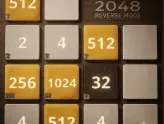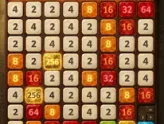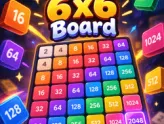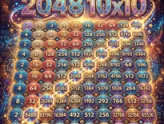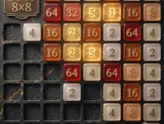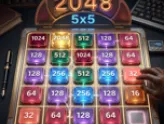
The 2048 6x6 is a fantastic substitute if the standard 4x4 model ever gave you a headache because of its cramped quarters and risk of becoming stuck too quickly. The 6x6 version offers a more expansive playing field that lets players freely experiment with methods and pursue record-breaking numbers while maintaining the simple yet incredibly addicting gameplay of the classic puzzle series.
A promising upgrade to the original 2048 6x6 opens up a brand-new 36-tile "playground" for fans of the number-merging genre. While the familiar swiping mechanic used to combine matching tiles remains, the expanded grid offers countless opportunities to strategize, adapt your tactics, and pull off explosive merges!
More tile arrangements and building number sequences are possible with the wider grid. Managing the entire board still takes careful attention and smart computation, though, as high-value tiles start to appear. Making the 2048 tile and getting the best score are the ultimate objectives.
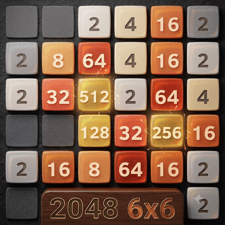
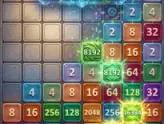
- The fundamental rules of 2048 6x6 are still the same as they were in the original: each time you move, all of the numbered tiles slide in that direction. A new tile with double the value is created when two tiles with the same value collide:
2 + 2 → 4 → 8 → 16 → 32 → 64 → .... → 2048
But the change from 16 tiles (4x4) to 36 tiles (6x6) has a significant impact:
There is greater room to experiment with merging techniques in the 2048 6x6 grid. Although the initial movements seem carefree, each empty area becomes more valuable as larger tiles emerge.
Will you make the 2048 tile fast, or will the board become a tangle of numbers before you get there? Launch a fresh game, experiment with your setup, and determine the maximum number you can reach.